10. des
kl. 18.00
v/ Professor Lynn Meskell, University of Pennsylvania
Vi er så heldige å kunne tilby et åpent foredrag av Professor Meskell. Foredraget ble laget til det nasjonale museumsmøtet som ble avholdt i Kirkenes i april 2026. Meskell var da forhindret i å komme, så nå har vi i Sør-Varanger mulighet til å høre dette foredraget. Dørene åpner 17.00, kafeen er åpen. Gratis inngang.
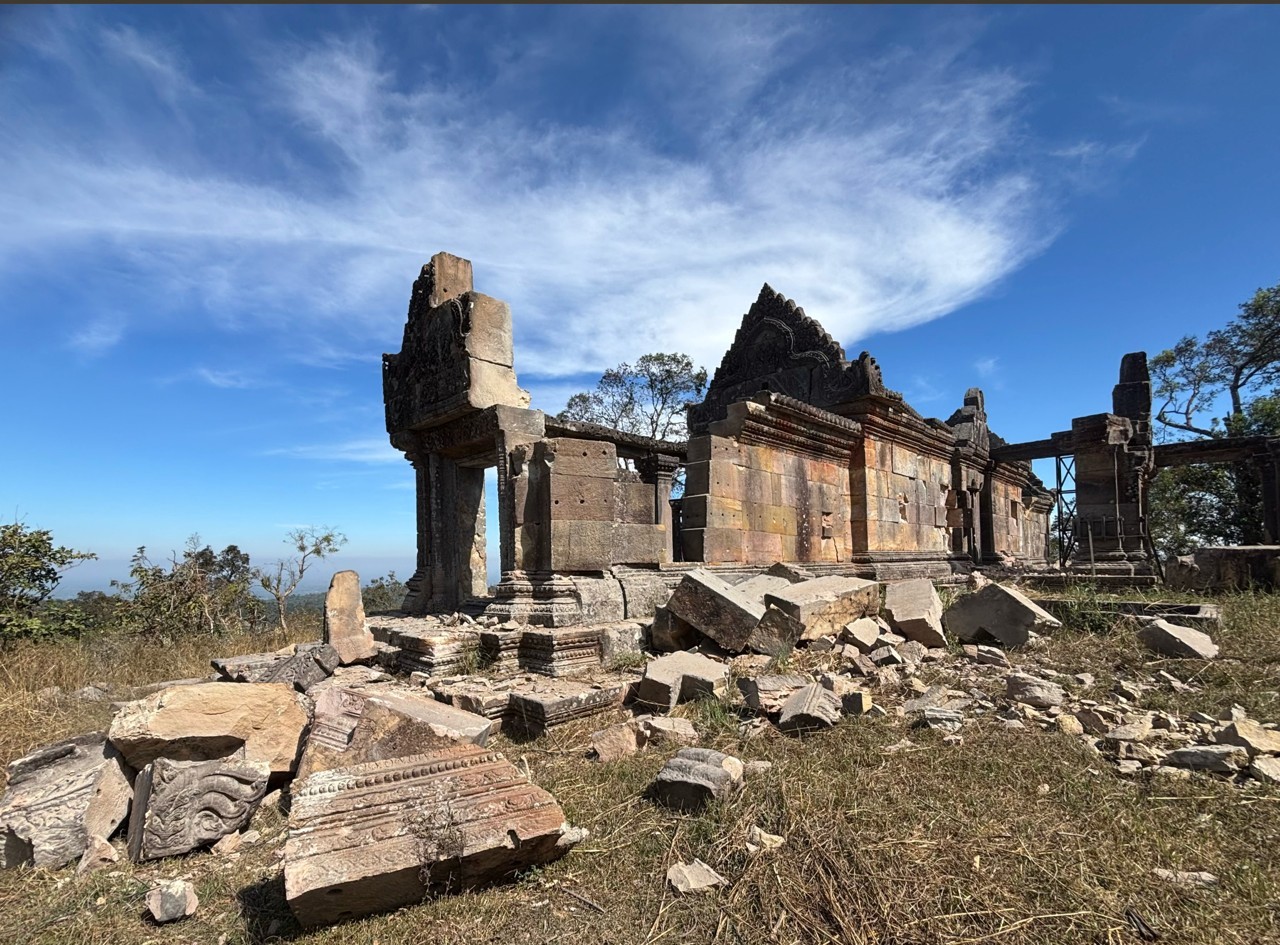
How did global heritage become the new battlespace for 21st-century warfare? Nations and non-state actors alike increasingly use the ruins of the past to leverage legal, political, and territorial ambitions. This talk examines two intersecting international organizations that seek to combat the fallout from ruin warfare and their respective aspirations for mission success. The first, UNESCO, established after the Second World War and dedicated to world peace through culture and co-operation, has inherited a ruinous legacy of war and destruction. The other is NATO, a Cold War military alliance that must now confront cultural heritage in both its protective and punitive missions. Within the international order, along a spectrum of peace and war, both struggle to contain the conflictual status of cultural heritage.
I reveal how the past is progressively militarized, securitized, and legalized across an array of formal settings from UNESCO to NATO. Heritage, I argue, has become the ultimate force multiplier. Whether in outsized claims for fostering world peace and resilience on one hand or ensuring maximum devastation and intergenerational trauma on the other, deploying the past is decisive. Protecting heritage is now considered vital for multilateral agencies and governments alike to combat illicit trafficking, terror financing, cultural cleansing, and crimes against humanity. At the same time, governments can weaponize the past, particularly the heritage of past wars, to reify and inflame conflict anew. Such hostile heritage threats to security now constitute the subject of intensifying legal regimes of accountability and claims of cultural cleansing and genocide. Bringing us full circle, those same sites of trauma are recursively celebrated on UNESCO’s register of international heritage inscriptions. Heritage assets, once positioned as global goods throughout the 20th century, are being transformed into weapons of war in the 21st century. Charting these developments, I ask: how have the celebrated sites of humanity’s collective past been instrumentalized into a new future of risk and ruin?
Foto: Lynn Meskell